Ci vuole almeno un milione di euro per rilanciare lo storico castello di Moncucco Torinese in cui visse l’ultimo cavaliere templare d’Italia.
 Bisogna restaurare l’ala sud-ovest del maniero che non fu interessata dalla prima ristrutturazione decisa dall’ex sindaco Gianpaolo Fassino che utilizzò i fondi delle Olimpiadi invernali del 2006. Con gli ultimi restauri nel 2007 erano state recuperate le parti più degradate dell’edificio. Ora il progetto del Comune, retto dal sindaco Daniele Bargetto, prevede di realizzare al primo piano una decina di stanze a tema, una foresteria nei piani più alti, un ristorante, una caffetteria, un parcheggio e un ascensore per i disabili. Il maniero, risalente a nove secoli fa, è già tuttora sede di diversi eventi, mostre, spettacoli teatrali e di danza. Il primo documento sull’esistenza del castello è rintracciabile in un diploma imperiale del 1164 in cui l’imperatore Federico I Barbarossa confermava al marchese di Monferrato Guglielmo V, suo alleato, diverse proprietà che già possedeva. Nel territorio che circonda l’attuale comune svettavano tre castelli. Oggi resta solo quello di Moncucco mentre gli altri due, Pogliano e Vergnano furono distrutti nel Medioevo e nell’Ottocento. Di proprietà inizialmente degli Avvocati del vescovo di Torino, il maniero venne annesso ai possedimenti del Marchesato del Monferrato all’inizio del Trecento e nel 1631 passò ai Savoia con la pace di Cherasco. Successivamente appartenne ai Grisella di Rosignano, agli Scarampi di Monale, ai Solaro di Govone e ai Melano di Portula. Tra le antiche mura del castello di Moncucco nacquero nel Duecento due cavalieri templari: i fratelli Jacopo e Nicolao. Il secondo fu arrestato e condannato nell’isola di Cipro mentre Jacopo, nato nel castello dei Grisella, è stato l’ultimo Gran Maestro d’Italia dell’Ordine dei Templari, una delle più importanti associazioni monastico-cavalleresche del Medioevo. Si sa poco della sua vita e le poche notizie sul personaggio sono tratte dagli interrogatori dei Templari processati in Italia e a Cipro. Fu condannato in contumacia per non essersi presentato al processo ai templari nello Stato Pontificio. Nel castello di Moncucco, acquistato a metà Ottocento dal Comune, si trova il Museo del Gesso in cui sono illustrate le fasi di lavorazione e l’utilizzo del gesso nell’architettura agricola del Basso Monferrato fra XVI e XIX secolo e la sua evoluzione in Italia e in Europa. Per informazioni sull’apertura del museo bisogna rivolgersi al Comune di Moncucco.
Filippo Re
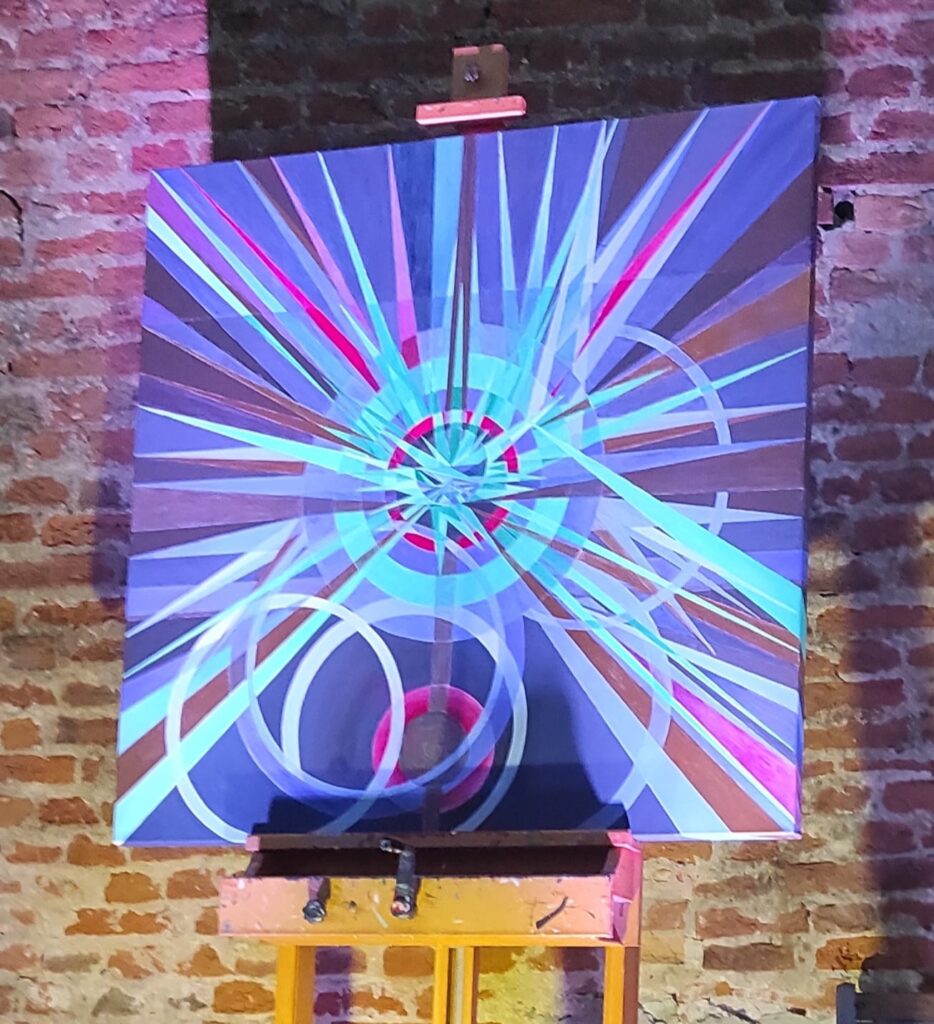
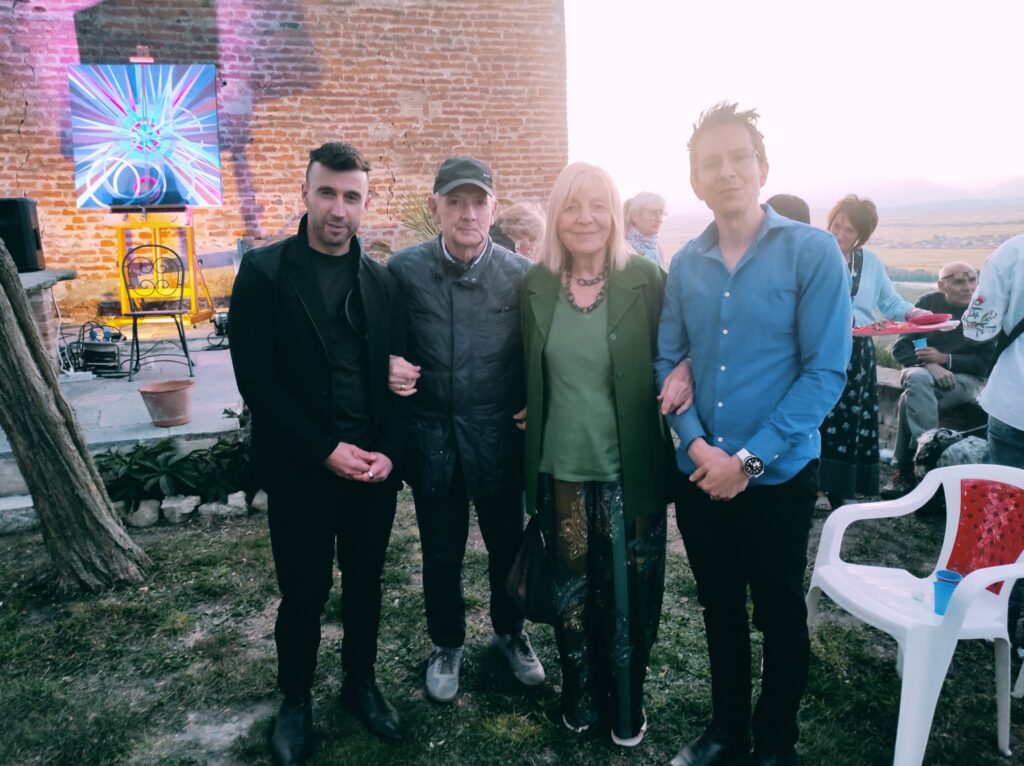 La presenza di Rosario Tornatore è stata accolta da un folto pubblico che l’ha lungamente applaudito non appena l’opera è stata scoperta e, resa visibile, ha irradiato l’atmosfera di sprazzi luminosi.



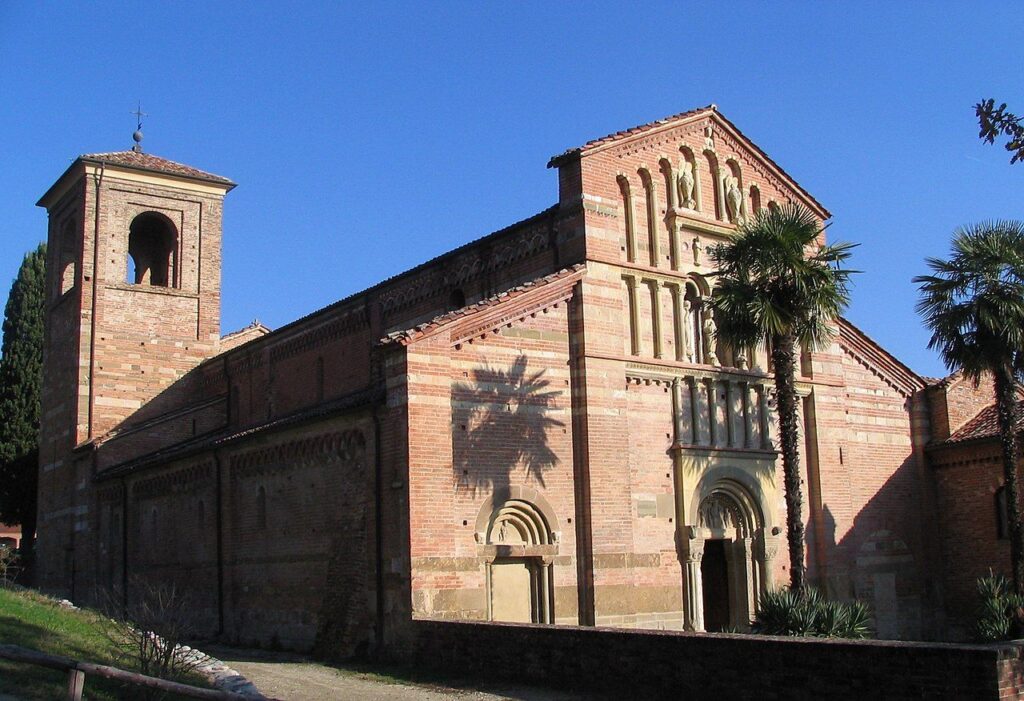
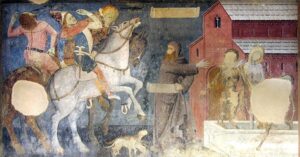 Si tratta in gran parte di leggende, alcune delle quali sono interamente inventate mentre altri racconti riportano fatti veri o quasi. Per esempio, che ci faceva Carlo Magno sulle colline di Vezzolano dodici secoli fa? Nulla, perché non c’è mai stato ma la sua è comunque una leggenda suggestiva. La costruzione della chiesa romanica di Santa Maria di Vezzolano, canonica dell’Ordine di Sant’Agostino, che noi chiamiamo solitamente Abbazia, viene attribuita al re dei Franchi. Mentre cacciava nei boschi di Vezzolano insieme ad altri due cavalieri Carlo Magno fu colto da una terribile e orrenda visione: la danza di tre scheletri umani usciti all’improvviso da una tomba. Quale macabra apparizione! Il cavallo si spaventa, Carlo, colpito da un attacco epilettico cade a terra, la paura è grande. Un monaco assiste alla scena e invita il sovrano a chiedere aiuto alla Madonna per potersi riprendere dallo sgomento. Per ringraziare la Vergine, Carlo Magno ordina di innalzare una chiesa abbaziale proprio in quel luogo. Nel chiostro dell’abbazia c’è l’antico affresco trecentesco “del Contrasto dei tre vivi e dei tre morti” che sembra rievocare l’episodio leggendario di Carlo Magno. In realtà quando la chiesa canonica di Santa Maria di Vezzolano fu costruita intorno all’anno Mille (l’atto di fondazione risale al 1095), il sovrano era già morto da quasi tre secoli. Ma la leggenda, inventata nel Settecento, si è diffusa velocemente e viene ricordata ancora oggi. L’Abbazia di Vezzolano è stata vista anche da altri personaggi storici. Federico I Barbarossa, che nell’area tra Chieri e Asti distrusse città e paesi, prese la chiesa e il territorio circostante sotto la sua protezione. Lo Svevo fu infatti uno dei più importanti protettori dell’Abbazia ed è probabile che alcune opere interne
 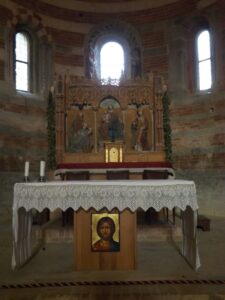 siano state eseguite su incarico dello stesso imperatore. Come dimostra un’iscrizione sul pontile con il nome di Federico Imperatore il legame tra i canonici di Vezzolano e il Barbarossa furono sempre stretti e profondi. Sopra l’altare compare invece un trittico in terracotta con la Vergine in trono tra Carlo VIII, inginocchiato a sinistra, e, sul lato destro del dipinto, Sant’Agostino in abito da vescovo. Carlo VIII, re di Francia discese in Italia nel 1494-95 e si fermò per alcune settimane in Piemonte, ospite dei Solaro di Moncucco. È probabile, secondo le cronache del tempo, che non solo sia entrato nell’Abbazia ma, seduto nel refettorio insieme ai frati di Santa Maria, abbia mangiato perfino la bagna càuda preparata apposta per lui dai canonici. I documenti dell’epoca riportano la notizia che il sovrano, indebolito e affaticato, fu curato dai frati con le tradizionali erbe e con la bagna càuda senza aglio ma con il peperoncino piccante. Il Re guarì. A questo punto, una visita all’Abbazia, tra misteri e personaggi inquietanti, è più che consigliata. Orario di apertura: da giovedì a domenica ore 10.00 -18.00 (fino al 31 ottobre), ingresso gratuito, celebrazione della Messa domenica ore 17.00
 Chiara De Carlo